Organizing a one-day hike for women can be both exciting and fulfilling when done right. This guide offers simple, practical tips to help you plan an enjoyable and safe hiking experience. Whether you’re new to hiking or looking for fresh ideas to lead a group, these tips will ensure your day out in nature is memorable.
What Should You Consider When Choosing a Hiking Trail?
Picking the right trail is the foundation of your hike’s success. It needs to match the group’s fitness level, time constraints, and interests.
When organizing a one-day hike, choose a trail that is not too demanding but still offers beautiful scenery and a sense of adventure.
- Trail Difficulty: Look for easy to moderate trails, especially if some participants are beginners.
- Distance and Duration: Keep it under 6-8 miles to comfortably finish within one day.
- Accessibility: Ensure the trailhead is reachable by car or public transport.
- Points of Interest: Waterfalls, viewpoints, or unique plants can keep the group engaged.
How Can You Prepare a Comfortable and Stylish Hiking Outfit?
Comfort and functionality are key, but there’s no reason to sacrifice style. Layering works best for changing weather, and accessories can be both practical and fashionable.

- Layered Clothing: Start with moisture-wicking basics, add warm middle layers, and bring a lightweight waterproof jacket.
- Footwear: Supportive, broken-in hiking boots or trail shoes prevent blisters and injuries.
- Accessories: Hats and sunglasses protect from the sun; a stylish bandana or hair tie adds personality.
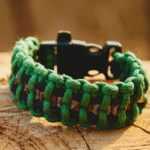
For women who love DIY, making customized hiking accessories like charm-adorned lanyards or handmade bracelets can add that personal touch while serving practical purposes.
What Essentials Should You Pack for a Safe and Enjoyable One-Day Hike?
Packing smart is crucial. Bringing the right essentials keeps everyone safe, comfortable, and energized.
- Navigation Tools: Map, compass, or a GPS device to avoid getting lost.
- Water and Snacks: Hydration packs or water bottles plus energy-boosting snacks like nuts, fruit, or granola bars.
- First Aid Kit: Basics such as band-aids, antiseptic wipes, and pain relievers.
- Sun Protection: Sunscreen and lip balm with SPF.
- Extra Layers: For warmth if the weather changes suddenly.
Adding a handmade herbal lip balm or natural insect repellent can also enhance comfort and reflect your DIY enthusiasm.
How to Build Group Bonding and Keep Everyone Motivated?
Creating a positive group atmosphere helps make the hike more enjoyable and encourages participation.

- Set Expectations: Start by discussing the day’s plan and trail specifics to prepare everyone mentally.
- Encourage Teamwork: Pair up less experienced hikers with helpers or rotate leadership roles.
- Plan Breaks: Schedule regular rest stops to socialize, share snacks, and admire nature.
- Incorporate Fun Activities: Bring along small DIY projects or nature-inspired games to break the routine.
What Are Common Mistakes to Avoid When Organizing a One-Day Women’s Hike?
Knowing what pitfalls to avoid helps you create a smoother experience for everyone involved.
- Overpacking or Underpacking: Carrying too much adds fatigue, while missing essentials can cause discomfort or danger.
- Ignoring Weather Forecasts: Not preparing for rain or temperature changes risks safety.
- Poor Communication: Failing to clearly share plans or emergency procedures leads to confusion.
- Setting Unrealistic Pace: Moving too fast or too slow can break group morale.
- Neglecting Leave No Trace Principles: Impacting the environment harms natural spaces others will enjoy.
Expert Advice from Sarah Thompson, Outdoor Enthusiast and DIY Jewelry Maker:
“Always balance functionality with personal style when hiking. Creating custom accessories tailored to your comfort and needs not only boosts confidence but also inspires creativity and connection among the group.”
How Does Different Trail Gear Compare?
| Material | Advantages | Disadvantages | Best Used For |
|---|---|---|---|
| Polyester | Lightweight, quick-dry, durable | Retains odors, less breathable than natural fibers | Base layers, hiking shirts |
| Merino Wool | Odor-resistant, warm even when wet, breathable | More expensive, delicate care required | Socks, base layers, scarves |
| Nylon | Strong, abrasion-resistant, dries fast | Can feel less breathable, prone to static | Outerwear, backpacks |
| Cotton | Comfortable, breathable, natural fiber | Holds moisture, dries slowly, not recommended for active hiking | Casual wear before or after hike |
Lesser-Known Facts About Organizing Women’s One-Day Hikes
Here are some insights that can make your next hike stand out:
- Women’s groups often benefit from including mindfulness or gratitude exercises during breaks, which boosts mental well-being.
- Involving participants in small DIY prep tasks (like crafting trail markers or making snack mixes) increases engagement.
- Using a buddy system not only ensures safety but encourages lasting friendships.
- Customizable hydration packs with charm attachments can serve both functional and aesthetic purposes.
- Planning routes with diverse ecosystems heightens the sensory experience and offers unique inspiration for creative projects post-hike.
Summary
Organizing a one-day hike for women is about blending safety, comfort, and a touch of personal style. By choosing the right trail, preparing functional and fashionable gear, packing smart, nurturing group dynamics, and avoiding common pitfalls, you ensure a memorable outdoor adventure.
Remember, bringing your passion for DIY into hiking can enrich the experience, whether through handmade accessories or natural care products.